
Over 1 billion people worldwide live with preventable vision loss
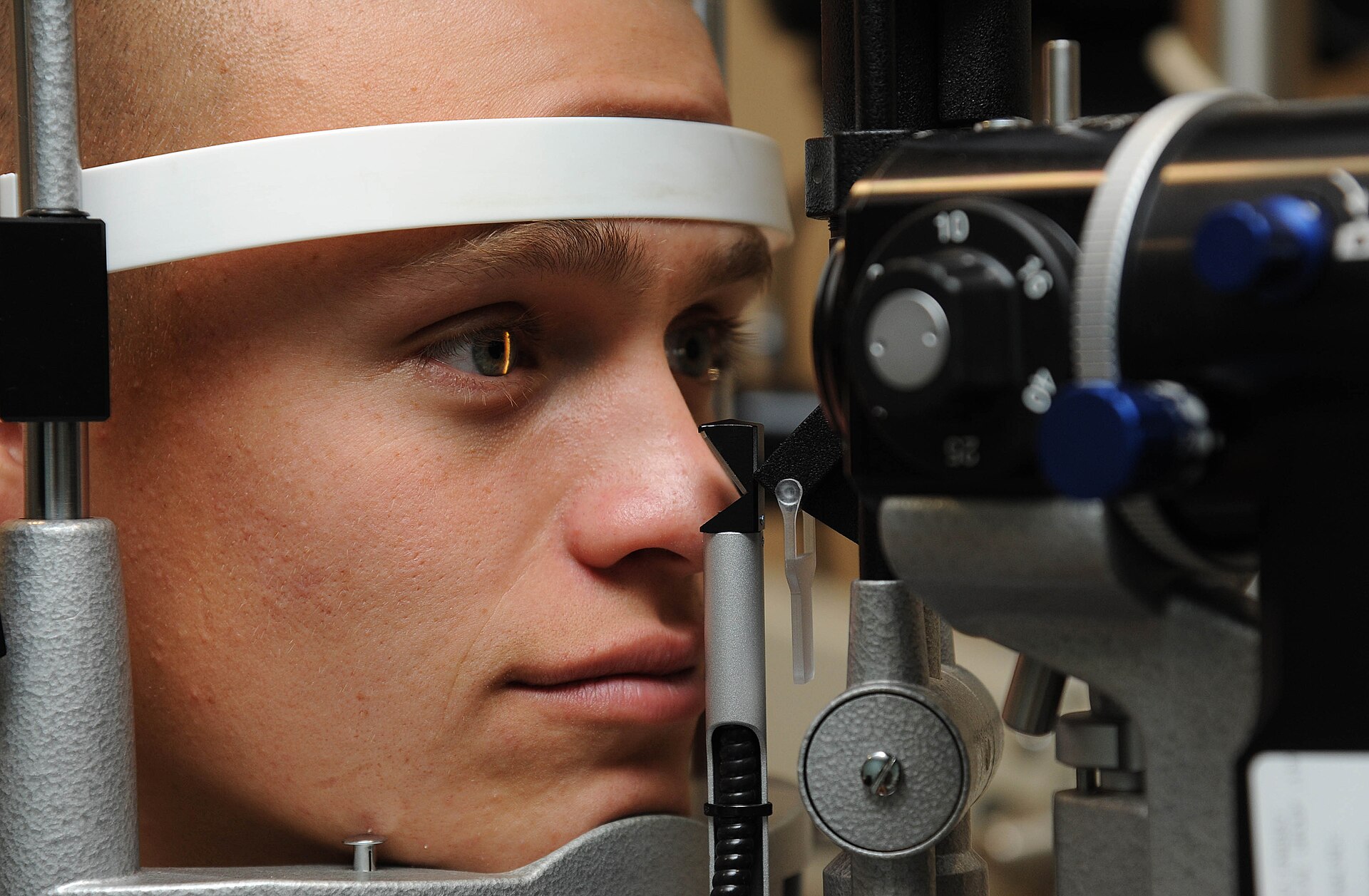
More than 1 billion people globally are living with vision loss that affects their daily lives, according to Medical Xpress. For some, the problem is simply lacking glasses. For others, conditions like cataracts, glaucoma, macular degeneration and diabetic eye disease have caused the vision loss.
The burden falls unevenly: 55% of those with vision loss are women and girls, 73% are ages 50 and older, and 90% live in low- and middle-income countries, Medical Xpress reported. Age is the most important risk factor. As global populations age, the number of people with vision loss is expected to grow to more than 1.7 billion by 2050.
Vision loss increases risks for falls, depression and dementia, and people living with vision loss have more than twice the risk of death compared to others, according to Medical Xpress. However, about 80% of vision loss can be reversed or prevented with early detection and treatment. Most cases can be fixed with eyeglasses or cataract surgery, which are among the most cost-effective health care treatments available.
The problem stems largely from uneven access to eye care rather than the inability to treat vision loss, Medical Xpress reported. Researchers at the University of Michigan's Sensory Health and Aging Research Collaborative say recent developments suggest progress is possible.
What it means in Raleigh
Behavioral health: Alliance Health (LME/MCO for Wake, Durham, Johnston, Orange, Cumberland, Mecklenburg)
Medicaid plans: NC Medicaid Standard Plans: AmeriHealth Caritas NC, Carolina Complete Health, Healthy Blue, UnitedHealthcare Community Plan, WellCare of NC. Tailored Plans: Alliance Health, Trillium Health Resources, Vaya Partners (Vaya Health + Partners Health Management, merged 2026).
Major insurers: Blue Cross NC, Aetna, Cigna, UnitedHealthcare, Humana
Plan lists change; confirm with your plan or the state agency.